

Brisbane punters have clocked that the usual spin-and-pray routine rarely matches the pace of a proper arvo session. That’s where best live dealer 3d slots sit on the shelf: a different priority stack, built around readable screens, steady connection handling and a table that feels like a room rather than a billboard. I’ve been testing mobile-first entertainment gear across Queensland for years, and the pattern is clear – people want the visual weight of a rendered floor without the lag that turns a quiet ten-minute break into a buffering exercise.
What Sets This Format Apart
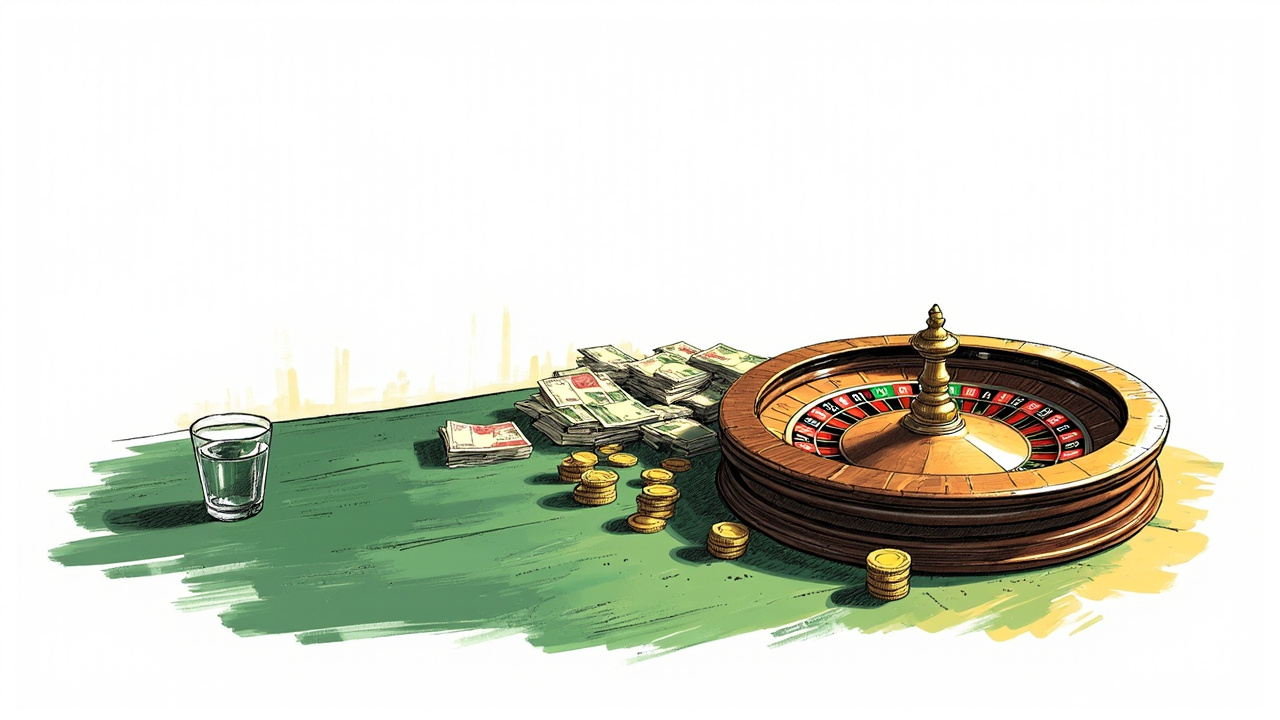
The pitch here isn’t about stacking paylines until the screen looks like a spreadsheet. It’s about a live table that renders the dealer’s zone, the wheel or card layout and the betting panel as a single 3D scene, so your eye tracks one space instead of hopping between overlays. The casino’s own documentation frames it as a visual continuity play, and in practice that means the dealer’s gestures, the chip stack and your active bet all share the same depth plane. That’s a genuine comfort when you’re on a phone in a crowded café or leaning over a laptop at home – less squinting, fewer misplaced clicks, and the betting grid stays where your thumb expects it.candidclevercosteffective.com What 243 Ways To Win Means
I’ve run the same titles across a couple of different handsets and the scene holds up without forcing your device to sweat. The studio feed stays crisp, the rendered table elements don’t fight the video layer, and the betting panel keeps its shape when you rotate the phone. Whether you’re on Wi-Fi or a patchy 4G link, the priority is keeping the action readable rather than chasing graphical fireworks. If you want the mechanics behind how those payout clusters actually stack up, it’s worth reading what 243 ways to win means in slots before you get too deep into the betting grid.
How It Plays Out on a Real Device
Screen real estate and betting flow
On a phone, the live table has to earn its footprint. The best implementations keep the dealer visible above the midline, drop the chip selector into a thumb-friendly strip along the bottom and leave the balance and bet history in a slim header that doesn’t steal focus. You’re not pinching to zoom or hunting for the raise button mid-hand. Rotation works cleanly too – landscape gives you the full table width, portrait keeps the jammin-jars-slot.net dealer front and centre, and the layout doesn’t collapse into a cramped mess either way. For anyone who plays in short bursts between meetings or during a quiet evening in, that kind of restraint matters more than a fancy intro sequence.
Connection handling and studio feel
A live 3D table only works if the stream and the rendered layer stay in step. The operators I’ve watched handle this by buffering the table state separately from the video feed, so a brief dip in bandwidth doesn’t make your chips vanish or your last bet disappear. The studio lighting stays consistent, the dealer’s movements read clearly and the 3D elements sit on top without looking pasted in. It’s not a miracle of engineering – it’s a deliberate choice to keep the scene stable and the betting feedback immediate. That’s the difference between something you can actually use on a commute and something that looks great in a trailer but stutters the moment you leave the house.
| Priority | What it means in practice | What to watch for |
|---|---|---|
| Table readability | Dealer, board and betting panel share one depth plane | Overcrowded overlays that push the dealer out of frame |
| Mobile fit | Thumb-friendly chip strip, stable rotation, slim header | Buttons that drift or shrink on portrait mode |
| Stream stability | Table state buffered separately from video feed | Lag that delays bet confirmation or chip feedback |
| Visual consistency | Even studio lighting, clear dealer gestures | Glare, flicker or elements that look pasted on |
Matching the Format to How You Actually Play
If you’re the sort who logs in for a focused twenty-minute run rather than a marathon, this format rewards a calmer pace. The 3D table gives you a clear sense of where your bet sits, the live feed keeps the rhythm human and the betting panel stays out of the way once you’ve set your line. It’s not trying to replace the familiar slot floor – it’s offering a different tempo, one that works better when you want to see the action, track your chips and step away without feeling like you’ve missed a moving target. That’s the whole point: a table that fits the session you actually have, not the one a marketing team imagines.
None of this is a shortcut to a winning session, and no live table or rendered scene changes the maths underneath. What it does is make the playing surface clearer, the betting flow steadier and the whole experience easier to sit with on a phone or laptop. If your priority is a readable table, a consistent studio feed and a layout that keeps up with your device rather than fighting it, best live dealer 3d slots are worth a proper look. Play within your limits, treat the visuals as a presentation layer and let the format earn its place by being easy to use rather than loud about itself.